

斜視 Strabismus
斜視とは
What is Strabismus?
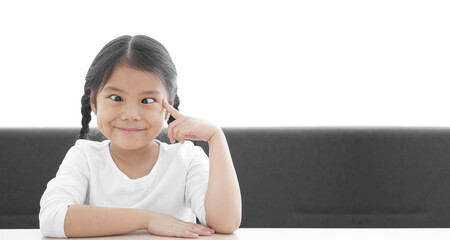
斜視(しゃし)とは、「右目と左目の視線が同じ方向を向いていない状態」を指します。
片方の目は正面を向いていても、もう片方の目が内側、外側、あるいは上下にずれてしまっている状態です。
単なる「見た目」の問題だけでなく、放置すると視力や立体感(奥行きを感じる力)の発達に影響を与えることがあるため、適切な理解とケアが必要です。
Strabismus (commonly known as "crossed eyes" or "walleye") is a condition in which the eyes do not align with each other when looking at an object. While one eye focuses on a specific point, the other eye points in a different direction—inward, outward, upward, or downward.
It is more than just a cosmetic concern; if left untreated, it can affect vision development and the ability to perceive depth (3D vision).
片方の目は正面を向いていても、もう片方の目が内側、外側、あるいは上下にずれてしまっている状態です。
単なる「見た目」の問題だけでなく、放置すると視力や立体感(奥行きを感じる力)の発達に影響を与えることがあるため、適切な理解とケアが必要です。
Strabismus (commonly known as "crossed eyes" or "walleye") is a condition in which the eyes do not align with each other when looking at an object. While one eye focuses on a specific point, the other eye points in a different direction—inward, outward, upward, or downward.
It is more than just a cosmetic concern; if left untreated, it can affect vision development and the ability to perceive depth (3D vision).
1. 斜視の種類
Types of Strabismus
目がずれる方向によって、主に以下の4つに分類されます。
• 内斜視(ないしゃし): 片目が内側(鼻のほう)に寄っている。
• 外斜視(がいしゃし): 片目が外側にそれている。(※疲れた時だけずれる「間欠性外斜視」が比較的多いです)
• 上斜視・下斜視: 片目が上下にずれている。
trabismus is classified by the direction the eye turns:
• Esotropia: The eye turns inward (toward the nose).
• Exotropia: The eye turns outward. ("Intermittent exotropia," where the eye only drifts when tired or daydreaming, is quite common.)
• Hypertropia / Hypotropia: The eye turns upward or downward.
• 内斜視(ないしゃし): 片目が内側(鼻のほう)に寄っている。
• 外斜視(がいしゃし): 片目が外側にそれている。(※疲れた時だけずれる「間欠性外斜視」が比較的多いです)
• 上斜視・下斜視: 片目が上下にずれている。
trabismus is classified by the direction the eye turns:
• Esotropia: The eye turns inward (toward the nose).
• Exotropia: The eye turns outward. ("Intermittent exotropia," where the eye only drifts when tired or daydreaming, is quite common.)
• Hypertropia / Hypotropia: The eye turns upward or downward.
2. 主な原因
Main Causes
斜視が起こる原因はいくつかあり、年齢によっても異なります。
・目の筋肉や神経の異常: 目を動かす6つの筋肉のバランスが崩れたり、それを司る神経の働きが弱かったりする場合。
・遠視の影響: 強い遠視があると、ピントを合わせようとして目が内側に寄ってしまうことがあります(調節性内斜視)。
・脳や全身の病気: 脳腫瘍、脳梗塞、糖尿病、甲状腺の病気などが原因で、大人になってから急に発症することもあります。
・視力の不良: 病気やケガで片方の視力が極端に悪いと、その目が使われなくなり、外側にそれることがあります。
The causes vary depending on the individual and their age:
・Muscle or Nerve Issues: Problems with the six muscles that control eye movement or the nerves that send signals to those muscles.
・Uncorrected Farsightedness (Hyperopia): In children, trying to focus on objects can cause the eyes to pull inward (known as Accommodative Esotropia).
・Medical Conditions: In adults, sudden onset can be caused by stroke, brain tumors, diabetes, or thyroid disease (e.g., Graves' disease).
・Poor Vision: If vision is significantly worse in one eye due to injury or disease, that eye may begin to drift.
・目の筋肉や神経の異常: 目を動かす6つの筋肉のバランスが崩れたり、それを司る神経の働きが弱かったりする場合。
・遠視の影響: 強い遠視があると、ピントを合わせようとして目が内側に寄ってしまうことがあります(調節性内斜視)。
・脳や全身の病気: 脳腫瘍、脳梗塞、糖尿病、甲状腺の病気などが原因で、大人になってから急に発症することもあります。
・視力の不良: 病気やケガで片方の視力が極端に悪いと、その目が使われなくなり、外側にそれることがあります。
The causes vary depending on the individual and their age:
・Muscle or Nerve Issues: Problems with the six muscles that control eye movement or the nerves that send signals to those muscles.
・Uncorrected Farsightedness (Hyperopia): In children, trying to focus on objects can cause the eyes to pull inward (known as Accommodative Esotropia).
・Medical Conditions: In adults, sudden onset can be caused by stroke, brain tumors, diabetes, or thyroid disease (e.g., Graves' disease).
・Poor Vision: If vision is significantly worse in one eye due to injury or disease, that eye may begin to drift.
3. 主な症状
Common Symptoms
・眼位のずれ: 目が違う方向を向いている。
・複視(ふくし): 物が二重に見える(特に大人に多い症状)。
・片目つむり・眩しがる: 外出時に片方の目を細めたり、つむったりする。
・首をかしげる: 物をはっきり見ようとして、無意識に顔を傾ける。
・疲れ目・頭痛: 焦点を合わせようとして目が疲れやすくなる。
・Misaligned Eyes: The eyes look in different directions.
・Double Vision (Diplopia): Seeing two images of a single object (more common in adults).
・Squinting or Closing One Eye: Especially in bright sunlight.
・Head Tilting: Tilting the head to try to align the images or see more clearly.
・Eye Strain and Headaches: Fatigue from the constant effort to focus.
・複視(ふくし): 物が二重に見える(特に大人に多い症状)。
・片目つむり・眩しがる: 外出時に片方の目を細めたり、つむったりする。
・首をかしげる: 物をはっきり見ようとして、無意識に顔を傾ける。
・疲れ目・頭痛: 焦点を合わせようとして目が疲れやすくなる。
・Misaligned Eyes: The eyes look in different directions.
・Double Vision (Diplopia): Seeing two images of a single object (more common in adults).
・Squinting or Closing One Eye: Especially in bright sunlight.
・Head Tilting: Tilting the head to try to align the images or see more clearly.
・Eye Strain and Headaches: Fatigue from the constant effort to focus.
4. 斜視によるリスク
Risks Associated with Strabismus
・弱視(じゃくし): 子供の時期に斜視があると、ズレている方の目を使わなくなるため、視力の発達が止まってしまうことがあります。
・立体視(りったいし)の低下: 両方の目で同時に物を見る力が弱まり、距離感や立体感をつかみにくくなります。
・眼精疲労: 無理にピントを合わせようとして目が疲れやすくなります。
・Amblyopia (Lazy Eye): If strabismus is present during childhood, the brain may stop using the misaligned eye, which can lead to a halt in the development of visual acuity.
・Reduced Stereoscopic Vision: The ability to see objects with both eyes simultaneously weakens, making it difficult to perceive depth or judge distances.
・Eye Strain (Asthenopia): The eyes tire more easily due to the constant, forced effort to maintain focus.
・立体視(りったいし)の低下: 両方の目で同時に物を見る力が弱まり、距離感や立体感をつかみにくくなります。
・眼精疲労: 無理にピントを合わせようとして目が疲れやすくなります。
・Amblyopia (Lazy Eye): If strabismus is present during childhood, the brain may stop using the misaligned eye, which can lead to a halt in the development of visual acuity.
・Reduced Stereoscopic Vision: The ability to see objects with both eyes simultaneously weakens, making it difficult to perceive depth or judge distances.
・Eye Strain (Asthenopia): The eyes tire more easily due to the constant, forced effort to maintain focus.
5. 治療方法
Treatment Options
原因や程度によって異なりますが、主に以下の方法があります。
1. 眼鏡・コンタクトレンズ: 遠視などを矯正して目の位置を整えます。
2. プリズム眼鏡: 光を屈折させる特殊なレンズで、視線のズレを補正します。
3. 視能訓練(アイパッチなど): 弱視がある場合、良い方の目を隠して、斜視側の目を積極的に使う練習をします。
4. 手術: 目を動かす筋肉の付着位置を調整し、目の向きをまっすぐに修正します。
Treatment depends on the cause and severity:
1. Glasses or Contact Lenses: Used to correct refractive errors like farsightedness.
2. Prism Lenses: Special glasses that bend light to help align the images seen by each eye.
3. Vision Therapy (Patching): If one eye is weak (Amblyopia), the "good" eye is patched to force the weaker eye to work harder.
4. Surgery: Adjusting the tension of the eye muscles to physically straighten the eyes.
1. 眼鏡・コンタクトレンズ: 遠視などを矯正して目の位置を整えます。
2. プリズム眼鏡: 光を屈折させる特殊なレンズで、視線のズレを補正します。
3. 視能訓練(アイパッチなど): 弱視がある場合、良い方の目を隠して、斜視側の目を積極的に使う練習をします。
4. 手術: 目を動かす筋肉の付着位置を調整し、目の向きをまっすぐに修正します。
Treatment depends on the cause and severity:
1. Glasses or Contact Lenses: Used to correct refractive errors like farsightedness.
2. Prism Lenses: Special glasses that bend light to help align the images seen by each eye.
3. Vision Therapy (Patching): If one eye is weak (Amblyopia), the "good" eye is patched to force the weaker eye to work harder.
4. Surgery: Adjusting the tension of the eye muscles to physically straighten the eyes.
[!IMPORTANT] 「偽斜視(ぎしゃし)」について
赤ちゃんの場合、鼻の根元が低くて目が内側に寄っているように見えることがありますが、実際には視線が合っている「偽斜視」というケースも多いです。成長とともに目立たなくなりますが、自己判断は難しいため、気になる場合は眼科を受診しましょう。
[!IMPORTANT]
"Pseudostrabismus" (False Strabismus)
In infants, a wide bridge of the nose or extra skin folds (epicanthal folds) can make it look like their eyes are crossed, even though they are perfectly aligned. This usually improves as the child's face grows, but a professional exam is recommended to be sure.
[!IMPORTANT]
"Pseudostrabismus" (False Strabismus)
In infants, a wide bridge of the nose or extra skin folds (epicanthal folds) can make it look like their eyes are crossed, even though they are perfectly aligned. This usually improves as the child's face grows, but a professional exam is recommended to be sure.