

遠視眼 Hyperopia
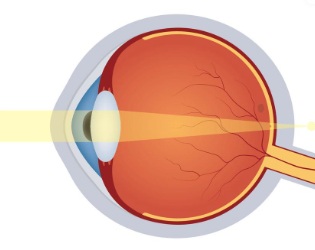
網膜後方に像を結ぶ遠視は大変目が疲れる屈折異常です。
Hyperopia, where images are focused behind the retina, is a refractive error that causes significant eye strain.
Hyperopia, where images are focused behind the retina, is a refractive error that causes significant eye strain.
1. 遠視とはどのような状態か?
1. What is Hyperopia?
遠視(Hyperopia)について
「遠くがよく見えること」と思われがちですが、実は「どこを見るにもピント調節が必要で、目疲れしやすい状態」というのが正確な表現です。
わかりやすく整理して解説します。
Understanding Hyperopia (Farsightedness)
Hyperopia is often misunderstood as simply "being able to see far away clearly." In reality, it is a condition where the eye must constantly strain to focus on any distance, which often leads to significant eye fatigue.
「遠くがよく見えること」と思われがちですが、実は「どこを見るにもピント調節が必要で、目疲れしやすい状態」というのが正確な表現です。
わかりやすく整理して解説します。
Understanding Hyperopia (Farsightedness)
Hyperopia is often misunderstood as simply "being able to see far away clearly." In reality, it is a condition where the eye must constantly strain to focus on any distance, which often leads to significant eye fatigue.
通常、目に入ってきた光は網膜(目の奥のスクリーン)の上でぴったり像を結びます。しかし、遠視の場合は光が網膜よりも後ろ側で像を結ぼうとしてしまいます。
・原因: 眼球の奥行きが短い(眼軸短縮)、または角膜や水晶体の光を曲げる力が弱い。
・見え方の特徴
遠く: ピント調節を頑張れば見えるが、目は疲れる。
近く: 遠くよりもさらに強い調節力が必要なため、ぼやけたり、ひどく疲れたりする。
In a normal eye, light rays focus directly on the retina (the light-sensitive layer at the back of the eye). In a hyperopic eye, light focuses behind the retina.
・Causes: Either the eyeball is too short (short axial length) or the focusing power of the cornea and lens is too weak.
・Visual Characteristics:
Distance Vision: May be clear, but only by using the eye's internal focusing muscles, which causes strain.
Near Vision: Requires even more intense focusing effort, often resulting in blurred vision or severe fatigue.
・原因: 眼球の奥行きが短い(眼軸短縮)、または角膜や水晶体の光を曲げる力が弱い。
・見え方の特徴
遠く: ピント調節を頑張れば見えるが、目は疲れる。
近く: 遠くよりもさらに強い調節力が必要なため、ぼやけたり、ひどく疲れたりする。
In a normal eye, light rays focus directly on the retina (the light-sensitive layer at the back of the eye). In a hyperopic eye, light focuses behind the retina.
・Causes: Either the eyeball is too short (short axial length) or the focusing power of the cornea and lens is too weak.
・Visual Characteristics:
Distance Vision: May be clear, but only by using the eye's internal focusing muscles, which causes strain.
Near Vision: Requires even more intense focusing effort, often resulting in blurred vision or severe fatigue.
2. 「老眼」との違い
2. Hyperopia vs. Presbyopia
よく混同されますが、メカニズムが異なります。
These two are often confused, but their mechanisms are different.
These two are often confused, but their mechanisms are different.
| 特徴 Feature |
遠視 Hyperopia |
老眼(老視) Presbyopia |
| 原因 Cause |
眼球の形や屈折力の問題(構造的) Shape or refractive power of the eye (Structural) |
加齢による水晶体の硬化(老化現象) Hardening of the lens due to again (Natural aging). |
| 時期 Onset |
生まれつきであることが多い Usually present from birth. |
40代半ばから始まる Typically starts in the mid-40s. |
| 症状 Symptoms |
遠くも近くも調節力を使う Continuous effort to focus at all distances. |
近くにピンとが合わなくなる Difficulty specifically focusing on near objects. |
3. 年代別の注意点
3. Considerations by Age Group
子どもの遠視
子どもは調節力が非常に強いため、多少の遠視でも本人は「見えている」と感じます。しかし、常に目に力を入れている状態なので、以下のサインに注意が必要です。
・飽きっぽい、集中力がない(読書などを嫌がる)
・目が疲れやすい、頭痛を訴える
・弱視や斜視の原因になることがあるため、早期発見が重要です。
大人の遠視
20代〜30代までは自覚症状がないことも多いですが、加齢とともに調節力が落ちてくると、「急に目が悪くなった」「スマホが見えにくい」と感じ始めます。これが「隠れ遠視」が表面化する瞬間です。
In Children
Because children have a very strong ability to focus (accommodation), they may not realize they have hyperopia. However, parents should watch for signs such as:
・Lack of concentration or getting bored quickly with reading.
・Complaints of headaches or eye strain.
・Risk of Amblyopia (Lazy Eye) or Strabismus (Crossed Eyes): Early detection is crucial to prevent permanent vision issues.
In Adults
Many adults with mild hyperopia don't notice it until their 20s or 30s. As the eye's focusing power naturally declines with age, the "hidden hyperopia" becomes apparent, leading to sudden difficulty seeing smartphones or small print.
子どもは調節力が非常に強いため、多少の遠視でも本人は「見えている」と感じます。しかし、常に目に力を入れている状態なので、以下のサインに注意が必要です。
・飽きっぽい、集中力がない(読書などを嫌がる)
・目が疲れやすい、頭痛を訴える
・弱視や斜視の原因になることがあるため、早期発見が重要です。
大人の遠視
20代〜30代までは自覚症状がないことも多いですが、加齢とともに調節力が落ちてくると、「急に目が悪くなった」「スマホが見えにくい」と感じ始めます。これが「隠れ遠視」が表面化する瞬間です。
In Children
Because children have a very strong ability to focus (accommodation), they may not realize they have hyperopia. However, parents should watch for signs such as:
・Lack of concentration or getting bored quickly with reading.
・Complaints of headaches or eye strain.
・Risk of Amblyopia (Lazy Eye) or Strabismus (Crossed Eyes): Early detection is crucial to prevent permanent vision issues.
In Adults
Many adults with mild hyperopia don't notice it until their 20s or 30s. As the eye's focusing power naturally declines with age, the "hidden hyperopia" becomes apparent, leading to sudden difficulty seeing smartphones or small print.
4. 対策と矯正方法
4. Correction and Solutions
基本的には「凸レンズ(プラスレンズ)」のメガネやコンタクトレンズで、網膜の後ろにあるピントを前に引き寄せて矯正します。
・メガネ: 最も一般的で、目の負担を減らすのに効果的です。
・コンタクトレンズ: 左右の視力差が大きい場合に有効です。
・屈折矯正手術(レーシックなど): 選択肢の一つですが、適応については医師の慎重な判断が必要です。
Hyperopia is corrected using "plus lenses" (convex lenses) to pull the focus forward onto the retina.
・Eyeglasses: The most common and effective way to reduce eye strain.
・Contact Lenses: Often effective for those with a significant difference in prescription between eyes.
・Refractive Surgery (e.g., LASIK): An option for some, though it requires a thorough evaluation by an ophthalmologist.
メモ: 「自分は目がいい」と思っている方ほど、実は軽い遠視で、無意識に目を酷使しているケースがあります。夕方になると目がかすんだり、肩こりがひどい場合は、一度眼科で検査することをおすすめします。
Note:People who pride themselves on having "perfect vision" are sometimes mildly farsighted and unknowingly overworking their eyes. If you experience blurred vision toward the end of the day or chronic shoulder tension, a professional eye exam is recommended.
・メガネ: 最も一般的で、目の負担を減らすのに効果的です。
・コンタクトレンズ: 左右の視力差が大きい場合に有効です。
・屈折矯正手術(レーシックなど): 選択肢の一つですが、適応については医師の慎重な判断が必要です。
Hyperopia is corrected using "plus lenses" (convex lenses) to pull the focus forward onto the retina.
・Eyeglasses: The most common and effective way to reduce eye strain.
・Contact Lenses: Often effective for those with a significant difference in prescription between eyes.
・Refractive Surgery (e.g., LASIK): An option for some, though it requires a thorough evaluation by an ophthalmologist.
メモ: 「自分は目がいい」と思っている方ほど、実は軽い遠視で、無意識に目を酷使しているケースがあります。夕方になると目がかすんだり、肩こりがひどい場合は、一度眼科で検査することをおすすめします。
Note:People who pride themselves on having "perfect vision" are sometimes mildly farsighted and unknowingly overworking their eyes. If you experience blurred vision toward the end of the day or chronic shoulder tension, a professional eye exam is recommended.