

近視眼 Myopia
近視・中度近視・強度近視・強度乱視の分類
Classification of Myopia, Moderate Myopia, High Myopia, and High Astigmatism
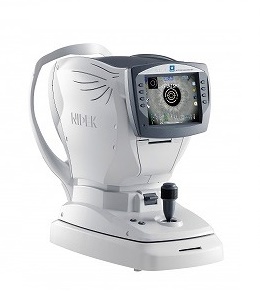
あなたの屈折を正しく知り認識しましょう。
まず、近視の程度は一般的に以下の屈折度数(ディオプター:D)で分類されます。
Understand and identify your refractive error correctly.
First, the degree of myopia (nearsightedness) is generally classified by the following refractive power (Diopters: D).
まず、近視の程度は一般的に以下の屈折度数(ディオプター:D)で分類されます。
Understand and identify your refractive error correctly.
First, the degree of myopia (nearsightedness) is generally classified by the following refractive power (Diopters: D).
初期近視〜中度近視 -0.50D ~ -3.00D
Mild Myopia to Moderate Myopia
Mild Myopia to Moderate Myopia
中度近視〜強度近視 -3.00D ~ -6.00D
Moderate Myopia to High Myopia
Moderate Myopia to High Myopia
強度近視〜強度近視以上 -6.00D 以上
High Myopia to beyond
High Myopia to beyond
近視の主な原因について
Main Causes of Myopia
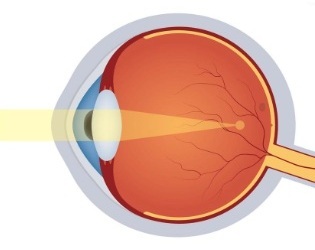
近視は、「遺伝的な体質」と、生活環境などの「後天的な要因」が複雑に絡み合って起こると考えられています。
それぞれの要因について、詳しくご説明します。
It is believed that myopia occurs due to a complex combination of "genetic predisposition" and "acquired factors," such as one's living environment. We will explain each of these factors in more detail below.
それぞれの要因について、詳しくご説明します。
It is believed that myopia occurs due to a complex combination of "genetic predisposition" and "acquired factors," such as one's living environment. We will explain each of these factors in more detail below.
【遺伝的要因】 親からの体質の遺伝
【Genetic Factors】 Genetic traits inherited from parents
【環境的要因】 日常の生活習慣や学習環境
【Environmental Factors】 Daily lifestyle habits and learning environments
【Genetic Factors】 Genetic traits inherited from parents
【環境的要因】 日常の生活習慣や学習環境
【Environmental Factors】 Daily lifestyle habits and learning environments
【遺伝的要因】
【Genetic Factors】
1. 遺伝による発症リスクの差
親の近視の有無で、子供が近視になる確率は大きく変わります。
1. Differences in Risk of Onset Due to Genetics
The probability of a child developing myopia varies significantly depending on whether or not the parents have myopia.
親の近視の有無で、子供が近視になる確率は大きく変わります。
1. Differences in Risk of Onset Due to Genetics
The probability of a child developing myopia varies significantly depending on whether or not the parents have myopia.
| 親の状況 Parent's Status |
子供が近視になるリスク Child's Risk of Developing |
| 両親とも近視 Both parents have myopia |
近視でない親の子の約5〜8倍 Approx.5 to 8 times higher than children of parents without myopia |
| 片親が近視 One parent has myopia |
近視でない親の子の約2〜3倍 Approx.2 to 3 times higher than children of parents without myopia |
一卵性双生児(遺伝子が同じ)の場合、視力や眼の度数が非常によく似ることから、遺伝の関与は間違いありません。
In the case of identical twins (who share the same genes), visual acuity and eye prescription tend to be very similar, which confirms that genetics undoubtedly play a role.
2. 何が遺伝しているのか?
遺伝するのは「視力そのもの」というよりも、主に以下の「眼の形」に関する情報です。
・眼軸長(がんじくちょう): 眼球の奥行きの長さです。近視の多くは、この眼軸が伸びすぎてピントが網膜の手前で合ってしまうことで起こります(軸性近視)。この「眼球の伸びやすさ」が遺伝的に決まっていると考えられています。
・多因子遺伝: 近視はたった一つの「近視遺伝子」で決まるわけではありません。これまでの研究で、近視に関わる遺伝子は400以上も見つかっており、それらが複雑に組み合わさって影響します。
2. What Exactly is Inherited?
What is inherited is not necessarily "eyesight" itself, but rather information regarding "eye shape," primarily the following:
・Axial Length: This refers to the depth (length) of the eyeball. Most cases of myopia occur because this axial length grows too long, causing light to focus in front of the retina (axial myopia). The "ease with which the eyeball elongates" is believed to be determined genetically.
・Polygenetic Inheritance: Myopia is not determined by a single "myopia gene." Research has identified over 400 genes related to myopia, and their complex combinations influence the outcome.
3. 「遺伝がすべて」ではない理由
近年、子供の近視が急増していますが、数十年という短い期間で人間の遺伝子が大きく変わることはありません。そのため、現在の近視急増の主な原因は、以下のような環境要因にあると考えられています。
・近業(きんぎょう): スマホや読書など、近くを長時間見続けること。
・屋外活動の減少: 太陽光(バイオレットライトなど)を浴びる時間が減り、眼軸の伸びを抑制する物質が体内で作られにくくなっていること。
3. Why "Genetics is Not Everything"
While myopia in children has been rapidly increasing in recent years, human genetics do not change significantly over a short period of a few decades. Therefore, the main cause of the current surge in myopia is thought to be the following environmental factors:
• Near Work: Spending long periods looking at things up close, such as smartphones or books.
• Decrease in Outdoor Activity: Reduced time spent in sunlight (specifically violet light, etc.) means the body produces fewer substances that inhibit the elongation of the axial length.
まとめ
遺伝的要因は「土台(なりやすさ)」を作りますが、適切な生活習慣(外遊びを増やす、近くを見すぎないなど)によって、その進行をある程度コントロールすることが可能です。
Summary
Genetic factors create the "foundation" (predisposition), but by maintaining proper lifestyle habits—such as increasing outdoor play and avoiding excessive near work—it is possible to control the progression to some extent.
In the case of identical twins (who share the same genes), visual acuity and eye prescription tend to be very similar, which confirms that genetics undoubtedly play a role.
2. 何が遺伝しているのか?
遺伝するのは「視力そのもの」というよりも、主に以下の「眼の形」に関する情報です。
・眼軸長(がんじくちょう): 眼球の奥行きの長さです。近視の多くは、この眼軸が伸びすぎてピントが網膜の手前で合ってしまうことで起こります(軸性近視)。この「眼球の伸びやすさ」が遺伝的に決まっていると考えられています。
・多因子遺伝: 近視はたった一つの「近視遺伝子」で決まるわけではありません。これまでの研究で、近視に関わる遺伝子は400以上も見つかっており、それらが複雑に組み合わさって影響します。
2. What Exactly is Inherited?
What is inherited is not necessarily "eyesight" itself, but rather information regarding "eye shape," primarily the following:
・Axial Length: This refers to the depth (length) of the eyeball. Most cases of myopia occur because this axial length grows too long, causing light to focus in front of the retina (axial myopia). The "ease with which the eyeball elongates" is believed to be determined genetically.
・Polygenetic Inheritance: Myopia is not determined by a single "myopia gene." Research has identified over 400 genes related to myopia, and their complex combinations influence the outcome.
3. 「遺伝がすべて」ではない理由
近年、子供の近視が急増していますが、数十年という短い期間で人間の遺伝子が大きく変わることはありません。そのため、現在の近視急増の主な原因は、以下のような環境要因にあると考えられています。
・近業(きんぎょう): スマホや読書など、近くを長時間見続けること。
・屋外活動の減少: 太陽光(バイオレットライトなど)を浴びる時間が減り、眼軸の伸びを抑制する物質が体内で作られにくくなっていること。
3. Why "Genetics is Not Everything"
While myopia in children has been rapidly increasing in recent years, human genetics do not change significantly over a short period of a few decades. Therefore, the main cause of the current surge in myopia is thought to be the following environmental factors:
• Near Work: Spending long periods looking at things up close, such as smartphones or books.
• Decrease in Outdoor Activity: Reduced time spent in sunlight (specifically violet light, etc.) means the body produces fewer substances that inhibit the elongation of the axial length.
まとめ
遺伝的要因は「土台(なりやすさ)」を作りますが、適切な生活習慣(外遊びを増やす、近くを見すぎないなど)によって、その進行をある程度コントロールすることが可能です。
Summary
Genetic factors create the "foundation" (predisposition), but by maintaining proper lifestyle habits—such as increasing outdoor play and avoiding excessive near work—it is possible to control the progression to some extent.
【環境的要因】
【Environmental Factors】
近視の原因には、親からの遺伝以外に、私たちの生活スタイルや周囲の環境が深く関わっています。これを「環境的要因」と呼びます。
現代で特に問題視されている主な要因は、大きく分けて「近業(きんぎょう)」と「屋外活動の減少」の2つです。
Aside from genetics inherited from parents, our lifestyle and surrounding environment are deeply connected to the causes of myopia. These are referred to as "Environmental Factors."
In modern times, two major factors are particularly problematic: "Near Work" and the "Decrease in Outdoor Activity."
1. 近業(近くを長時間見ること)
スマートフォン、タブレット、パソコン、読書など、30cm以内の近い距離をじっと見続ける作業のことです。
・眼軸の伸展: 近くを見続けると、目の中の筋肉が緊張し続け、ピントを合わせようとして眼球の奥行き(眼軸長)が伸びてしまいます。一度伸びた眼軸は元に戻りません。
・リスクを高める行動:
・30cm未満の至近距離での視聴(近視リスクが約2.5倍になると言われています)。
・20分以上の連続した作業(休憩なし)。
・寝転がって見る、悪い姿勢、暗い場所での作業。
1. Near Work (Looking at things up close for long periods)
This refers to activities where you stare fixedly at things within a close range of 30cm, such as smartphones, tablets, computers, and reading.
・Elongation of the Axial Length: When you continue to look at things up close, the muscles inside the eyes remain tense. In an effort to maintain focus, the depth of the eyeball (axial length) stretches. Once the axial length has elongated, it cannot return to its original state.
・Behaviors that Increase Risk:
・Viewing from an extremely close distance of less than 30cm (this is said to increase the risk of myopia by approximately 2.5 times).
・Continuous work for more than 20 minutes (without breaks).
・Viewing while lying down, poor posture, or working in dark places.
2. 屋外活動の減少(光不足)
近年の研究で、「太陽の光(特にバイオレットライト)」が近視抑制に極めて重要であることがわかってきました。
・ドーパミンの放出: 屋外で強い光を浴びることで、網膜からドーパミンが放出され、これが眼軸の伸びを抑える働きをします。
・不足の影響: 室内で過ごす時間が長いと、この抑制プロセスが働かず、近視が進みやすくなります。
2. Decrease in Outdoor Activities (Lack of Light)
Recent studies have revealed that "sunlight (specifically violet light)" plays a crucial role in suppressing the progression of myopia.
・Dopamine Release: Exposure to intense light outdoors triggers the release of dopamine from the retina, which helps inhibit the elongation of the axial length of the eye.
・Impact of Deficiency: Spending long periods indoors prevents this inhibitory process from functioning, making it easier for myopia to progress.
3. その他の生活習慣
・睡眠不足: 睡眠時間の短さや不規則な生活も、ホルモンバランスの乱れを通じて近視の進行に関与すると示唆されています。
・都市化: 視界が開けた場所が少なく、遠くを見る機会が減ることも環境的な要因の一つです。
3. Other Lifestyle Habits
・Lack of Sleep: It has been suggested that short sleep duration and irregular lifestyle patterns contribute to the progression of myopia through hormonal imbalances.
・Urbanization: Environmental factors also play a role; in urban areas, there are fewer wide-open spaces, leading to fewer opportunities to look at objects in the distance.
環境による悪化を防ぐための「目安」
専門機関(文部科学省や日本眼科医会など)が推奨している対策は以下の通りです。
"Guidelines" for Preventing Environmental Worsening
The following measures are recommended by specialized organizations (such as Ministry of Education, Culture, Sports, Science and Technology and the Japan Ophthalmologists Association).
現代で特に問題視されている主な要因は、大きく分けて「近業(きんぎょう)」と「屋外活動の減少」の2つです。
Aside from genetics inherited from parents, our lifestyle and surrounding environment are deeply connected to the causes of myopia. These are referred to as "Environmental Factors."
In modern times, two major factors are particularly problematic: "Near Work" and the "Decrease in Outdoor Activity."
1. 近業(近くを長時間見ること)
スマートフォン、タブレット、パソコン、読書など、30cm以内の近い距離をじっと見続ける作業のことです。
・眼軸の伸展: 近くを見続けると、目の中の筋肉が緊張し続け、ピントを合わせようとして眼球の奥行き(眼軸長)が伸びてしまいます。一度伸びた眼軸は元に戻りません。
・リスクを高める行動:
・30cm未満の至近距離での視聴(近視リスクが約2.5倍になると言われています)。
・20分以上の連続した作業(休憩なし)。
・寝転がって見る、悪い姿勢、暗い場所での作業。
1. Near Work (Looking at things up close for long periods)
This refers to activities where you stare fixedly at things within a close range of 30cm, such as smartphones, tablets, computers, and reading.
・Elongation of the Axial Length: When you continue to look at things up close, the muscles inside the eyes remain tense. In an effort to maintain focus, the depth of the eyeball (axial length) stretches. Once the axial length has elongated, it cannot return to its original state.
・Behaviors that Increase Risk:
・Viewing from an extremely close distance of less than 30cm (this is said to increase the risk of myopia by approximately 2.5 times).
・Continuous work for more than 20 minutes (without breaks).
・Viewing while lying down, poor posture, or working in dark places.
2. 屋外活動の減少(光不足)
近年の研究で、「太陽の光(特にバイオレットライト)」が近視抑制に極めて重要であることがわかってきました。
・ドーパミンの放出: 屋外で強い光を浴びることで、網膜からドーパミンが放出され、これが眼軸の伸びを抑える働きをします。
・不足の影響: 室内で過ごす時間が長いと、この抑制プロセスが働かず、近視が進みやすくなります。
2. Decrease in Outdoor Activities (Lack of Light)
Recent studies have revealed that "sunlight (specifically violet light)" plays a crucial role in suppressing the progression of myopia.
・Dopamine Release: Exposure to intense light outdoors triggers the release of dopamine from the retina, which helps inhibit the elongation of the axial length of the eye.
・Impact of Deficiency: Spending long periods indoors prevents this inhibitory process from functioning, making it easier for myopia to progress.
3. その他の生活習慣
・睡眠不足: 睡眠時間の短さや不規則な生活も、ホルモンバランスの乱れを通じて近視の進行に関与すると示唆されています。
・都市化: 視界が開けた場所が少なく、遠くを見る機会が減ることも環境的な要因の一つです。
3. Other Lifestyle Habits
・Lack of Sleep: It has been suggested that short sleep duration and irregular lifestyle patterns contribute to the progression of myopia through hormonal imbalances.
・Urbanization: Environmental factors also play a role; in urban areas, there are fewer wide-open spaces, leading to fewer opportunities to look at objects in the distance.
環境による悪化を防ぐための「目安」
専門機関(文部科学省や日本眼科医会など)が推奨している対策は以下の通りです。
"Guidelines" for Preventing Environmental Worsening
The following measures are recommended by specialized organizations (such as Ministry of Education, Culture, Sports, Science and Technology and the Japan Ophthalmologists Association).
| 対策項目 Prevention Category |
具体的なアクション Specific Action |
| 視線距離 Viewing Distance |
目から30cm以上離して見る。 Maintain a distance of at least 30cm from your eyes. |
| 30-30-30ルール 30-30-30 Rule |
30分作業したら、30フィート(約9m)先を30秒間眺める。 Every 30 minutes of work, look at something 30 feet (approx. 9m) away for 30 seconds. |
| 屋外活動 Outdoor Activity |
1日合計2時間(少なくとも1時間)は外で過ごす。 Spend a total of 2 hours a day (at least 1 hour) outdoors. |
| 明るさ Brightness |
部屋は十分に明るくし、正しい姿勢を保つ。 Keep the room well-lit and maintain proper posture. |
| 就寝前 Before Bed |
睡眠の質は近視にも影響するため、寝る前のスマホは控える。 Avoid using smartphones before sleep, as sleep quality affects myopia. |
ポイント: 屋外活動は直射日光である必要はありません。木陰や建物の影でも、室内よりはるかに強い照度(1,000〜3,000ルクス以上)があるため、十分な効果が期待できます。
Key Point: Outdoor activity does not necessarily require direct sunlight. Even in the shade of trees or buildings, the light intensity is significantly higher than indoors (over 1,000–3,000 lux), which provides sufficient benefits.
Key Point: Outdoor activity does not necessarily require direct sunlight. Even in the shade of trees or buildings, the light intensity is significantly higher than indoors (over 1,000–3,000 lux), which provides sufficient benefits.