

眼圧検査
眼圧検査 (tonometry:英)
眼圧検査とは?
What is a Tonometry (Intraocular Pressure) Test?
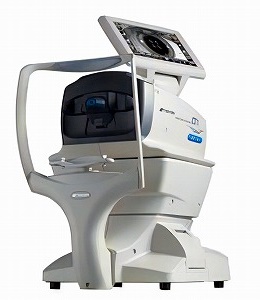
眼圧検査の主な目的は、「眼球内の圧力(眼圧)を測定し、緑内障などの目の病気を早期に発見すること」です。
目は、中にある「房水(ぼうすい)」という液体の圧力によって、ボールのような弾力と形を保っています。この圧力が強すぎたり弱すぎたりすると、目に様々なトラブルが起こります。
The primary purpose of a tonometry test is to measure the pressure inside the eye (intraocular pressure) in order to detect eye diseases such as glaucoma at an early stage.
The eye maintains its shape and ball-like elasticity through the pressure of a fluid inside called "aqueous humor." If this pressure becomes too high or too low, it can lead to various eye problems.
目は、中にある「房水(ぼうすい)」という液体の圧力によって、ボールのような弾力と形を保っています。この圧力が強すぎたり弱すぎたりすると、目に様々なトラブルが起こります。
The primary purpose of a tonometry test is to measure the pressure inside the eye (intraocular pressure) in order to detect eye diseases such as glaucoma at an early stage.
The eye maintains its shape and ball-like elasticity through the pressure of a fluid inside called "aqueous humor." If this pressure becomes too high or too low, it can lead to various eye problems.
1. 緑内障の早期発見と管理
Early Detection and Management of Glaucoma
眼圧検査の最も重要な目的です。
・視神経を守る: 眼圧が高い状態が続くと、目と脳をつなぐ「視神経」が圧迫されて傷つきます。一度傷ついた視神経は元に戻らず、視野が欠けたり失明に至ることもあるため、早期発見が不可欠です。
・正常眼圧緑内障のチェック: 日本人は眼圧が正常範囲(10〜21mmHg)であっても緑内障になる人が多いため、眼圧の値だけでなく、その変動や他の検査結果とあわせて診断の重要な指標にします。
This is the most critical purpose of intraocular pressure (IOP) testing.
・Protecting the Optic Nerve: Persistent high eye pressure can compress and damage the optic nerve, which connects the eye to the brain. Once damaged, the optic nerve cannot recover, and this can lead to vision loss or even blindness. Therefore, early detection is essential.
・Checking for Normal-Tension Glaucoma (NTG): Many Japanese people develop glaucoma even when their eye pressure is within the normal range (10–21 mmHg). For this reason, diagnosis relies not only on a single pressure reading but on fluctuations over time and results from other clinical examinations.
・視神経を守る: 眼圧が高い状態が続くと、目と脳をつなぐ「視神経」が圧迫されて傷つきます。一度傷ついた視神経は元に戻らず、視野が欠けたり失明に至ることもあるため、早期発見が不可欠です。
・正常眼圧緑内障のチェック: 日本人は眼圧が正常範囲(10〜21mmHg)であっても緑内障になる人が多いため、眼圧の値だけでなく、その変動や他の検査結果とあわせて診断の重要な指標にします。
This is the most critical purpose of intraocular pressure (IOP) testing.
・Protecting the Optic Nerve: Persistent high eye pressure can compress and damage the optic nerve, which connects the eye to the brain. Once damaged, the optic nerve cannot recover, and this can lead to vision loss or even blindness. Therefore, early detection is essential.
・Checking for Normal-Tension Glaucoma (NTG): Many Japanese people develop glaucoma even when their eye pressure is within the normal range (10–21 mmHg). For this reason, diagnosis relies not only on a single pressure reading but on fluctuations over time and results from other clinical examinations.
2. 他の病気のサインを見つける
Identifying Signs of Other Conditions
眼圧の異常は、緑内障以外にも以下のような状態を示唆することがあります。
・眼圧が高い場合: 高眼圧症、ステロイド薬の副作用、急性の炎症など。
・眼圧が低い場合: 網膜剥離、眼球の炎症(虹彩毛様体炎)、術後の合併症など。
Abnormal intraocular pressure (IOP) may indicate conditions other than glaucoma, such as the following:
・High Intraocular Pressure: Ocular hypertension, side effects of steroid medications, acute inflammation, etc.
・Low Intraocular Pressure: Retinal detachment, ocular inflammation (iritis/iridocyclitis), postoperative complications, etc.
・眼圧が高い場合: 高眼圧症、ステロイド薬の副作用、急性の炎症など。
・眼圧が低い場合: 網膜剥離、眼球の炎症(虹彩毛様体炎)、術後の合併症など。
Abnormal intraocular pressure (IOP) may indicate conditions other than glaucoma, such as the following:
・High Intraocular Pressure: Ocular hypertension, side effects of steroid medications, acute inflammation, etc.
・Low Intraocular Pressure: Retinal detachment, ocular inflammation (iritis/iridocyclitis), postoperative complications, etc.
3. 治療効果の確認
Confirming Treatment Effectiveness
すでに緑内障などの治療を受けている場合、点眼薬(目薬)や手術によって「目標とする眼圧までしっかり下がっているか」を確認し、治療方針を調整するために行われます。
If you are already undergoing treatment for conditions such as glaucoma, these tests are conducted to confirm whether your intraocular pressure (IOP) has sufficiently decreased to the target level through eye drops or surgery, and to adjust the treatment plan accordingly.
If you are already undergoing treatment for conditions such as glaucoma, these tests are conducted to confirm whether your intraocular pressure (IOP) has sufficiently decreased to the target level through eye drops or surgery, and to adjust the treatment plan accordingly.
4. 検査の種類(代表的なもの)
Types of Tests (Common Examples)
・非接触眼圧計(空気が出るタイプ): 健康診断などで一般的です。目に直接触れず、シュッと空気を吹き付けて測定します。
・圧平式眼圧計(直接触れるタイプ): 眼科の診察室で医師が行う精密な検査です。点眼麻酔をした後、小さな測定チップを角膜に軽く当てて正確に測ります。
・Non-contact Tonometer (Air-puff type):
Commonly used in health checkups. It measures eye pressure by blowing a quick puff of air without directly touching the eye.
・Applanation Tonometer (Direct-contact type):
A precision test performed by a doctor in an ophthalmology exam room. After applying anesthetic eye drops, a small measurement tip is gently placed against the cornea to obtain an accurate reading.
・圧平式眼圧計(直接触れるタイプ): 眼科の診察室で医師が行う精密な検査です。点眼麻酔をした後、小さな測定チップを角膜に軽く当てて正確に測ります。
・Non-contact Tonometer (Air-puff type):
Commonly used in health checkups. It measures eye pressure by blowing a quick puff of air without directly touching the eye.
・Applanation Tonometer (Direct-contact type):
A precision test performed by a doctor in an ophthalmology exam room. After applying anesthetic eye drops, a small measurement tip is gently placed against the cornea to obtain an accurate reading.
5. 受ける際の注意点
Points to Note During the Test
・リラックスする: 目を強くつぶったり、息を止めたりすると、腹圧がかかって眼圧が高く出てしまうことがあります。
・コンタクトレンズ: 基本的に外して検査を行います。ケースや替えを持参すると安心です。
・変動しやすい: 眼圧は血圧と同じで、時間帯や体調、季節によっても常に変動しています。
• Relax: Squeezing your eyes shut or holding your breath can apply abdominal pressure, which may cause eye pressure to appear higher than it actually is.
• Contact Lenses: Generally, lenses must be removed for the test. It is recommended to bring your lens case and a spare pair for peace of mind.
• Subject to Fluctuation: Much like blood pressure, eye pressure constantly fluctuates depending on the time of day, your physical condition, and the season.
もし健康診断などで「眼圧が高い」と指摘された場合は、一度の測定だけで判断せず、眼科で視神経の様子を詳しく見る「眼底検査」や「視野検査」をあわせて受けることが推奨されます。
If you are told your "eye pressure is high" during a health checkup, it is recommended not to judge based on a single measurement alone. Instead, you should visit an ophthalmologist for a combined evaluation, including a fundus examination to check the optic nerve in detail and a visual field test.
・コンタクトレンズ: 基本的に外して検査を行います。ケースや替えを持参すると安心です。
・変動しやすい: 眼圧は血圧と同じで、時間帯や体調、季節によっても常に変動しています。
• Relax: Squeezing your eyes shut or holding your breath can apply abdominal pressure, which may cause eye pressure to appear higher than it actually is.
• Contact Lenses: Generally, lenses must be removed for the test. It is recommended to bring your lens case and a spare pair for peace of mind.
• Subject to Fluctuation: Much like blood pressure, eye pressure constantly fluctuates depending on the time of day, your physical condition, and the season.
もし健康診断などで「眼圧が高い」と指摘された場合は、一度の測定だけで判断せず、眼科で視神経の様子を詳しく見る「眼底検査」や「視野検査」をあわせて受けることが推奨されます。
If you are told your "eye pressure is high" during a health checkup, it is recommended not to judge based on a single measurement alone. Instead, you should visit an ophthalmologist for a combined evaluation, including a fundus examination to check the optic nerve in detail and a visual field test.